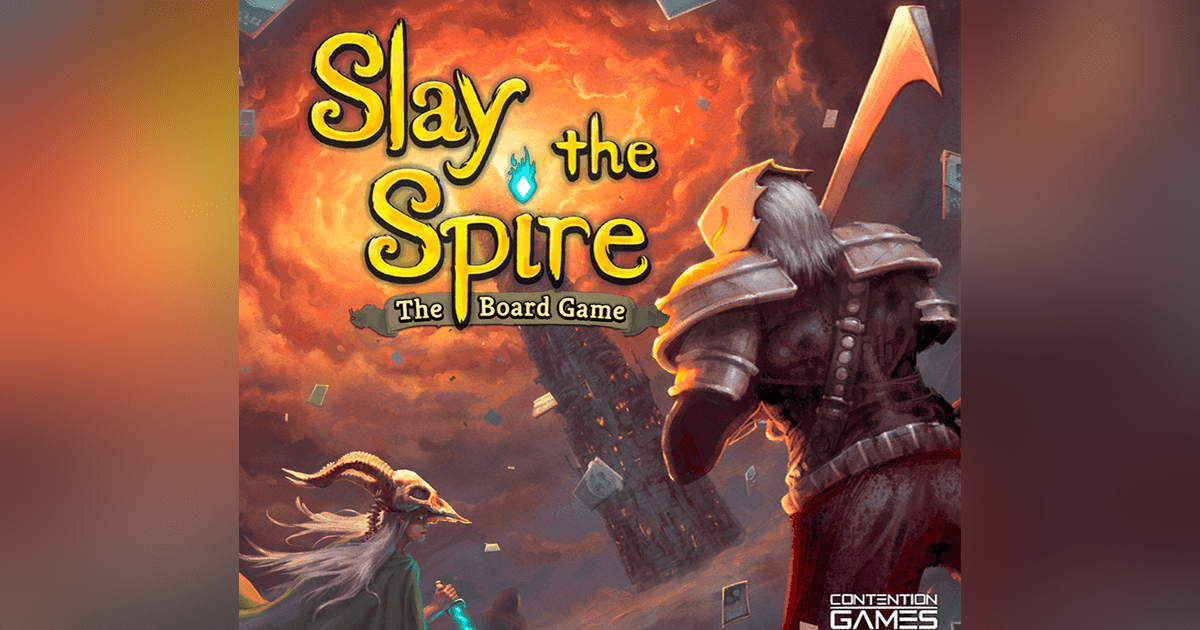
I’ve put a genuinely embarrassing number of hours into the video game, so I went into this skeptical, the kind of adaptation that usually exists to sell a license rather than add anything real. Then I actually played it co-op and understood the whole reason for this to exist. The video game never had proper multiplayer, and the tabletop version’s entire pitch is turning a solo roguelike deckbuilder into something you and a friend build parallel decks through together, taking your combat actions simultaneously so downtime stays low even with four players at the table.
Setup is the real drag here. Sorting the monster decks, the relic tokens, the potion tiles, took my group a solid twenty minutes the first several sessions before it got faster, and even with a good insert doing a lot of the organizing work, teardown after a long run still eats real time. The insert genuinely helps, don’t skip using it properly, but no insert makes a four-act roguelike with this many card pools pack down in five minutes.
The deck-upgrading loop is where this game earns its keep for me. Every relic reward, every card upgrade choice, hits the same dopamine button the video game does, maybe even a little sharper here because you’re watching your deck grow across the table instead of scrolling a menu. I did hit the sleeve problem a couple of reviewers mention, the provided card sleeves started delaminating after maybe ten hours of play, which is a real quality miss for a game at this price point, though I’ll say the publisher’s replacement support when people reported it was apparently excellent, for whatever that’s worth after the fact.
Four stars. It’s best at two players, honestly, three to four slows down enough with everyone optimizing damage distribution that the pace starts to sag, and I wouldn’t recommend it solo at all, just play the video game if nobody else is around. But as a co-op deckbuilder for two people who already love the source material, this nails exactly the gap it set out to fill.